(Day 21) Detox & Heal: Chapter 4: What is Biofilm? Also Known As “The Swamp”
Welcome to Day 21 of the daily excerpts from my new book, Detox & Heal. This excerpt from the book is Chapter 4: What is Biofilm? Also Known As “The Swamp”
Welcome to Day 21 of the daily excerpts from my new book, Detox & Heal. This excerpt from the book is Chapter 4: Our Bodies Are Over 60% Water – Medicate the Fish or Clean the Fish Tank?
How to Get Access to the Book Excerpts
You must be a paid subscriber to read the excerpts. The first week of excerpts (the Introduction and Chapter One) from the book are free for everyone.
Here is the link to the Table of Contents.
Here is the link to the publishing schedule.
For only $5/month or $3.75/month with the annual plan (a 25% savings), you will start getting the excerpts every day in your email inbox.
Detox & Heal (Day 20)
Chapter 4: Destroy the Biofilm & Drain the Swamp
What is Biofilm? Also Known As “The Swamp”
So what exactly is biofilm and why is it so important to get rid of it?
I have talked about biofilm in previous sections, but let's delve deeper so you can get an understanding about why destroying biofilm in the human body is so important to health.
What are Biofilms?
Biofilms are a complex, multi-layered communities of microorganisms. They attach to a surface and surround and encase themselves in a protective, self-produced matrix.
These slimy, sticky gel-like substances that the microorganisms live in are made up of primarily of extracellular polymeric substances (EPS). Extracellular Polymeric Substances (EPS) are organic polymers excreted by microorganisms, like bacteria and fungi.
Why Organisms Living in Biofilms are Harder to Kill and Detox Than Free-Floating Organisms
This blob of polymers provide the microbes with a defensive shield. This makes them harder to isolate and kill.
Biofilms serve as a protective housing for microbial communities, allowing them to thrive in harsh environments and hide out undetected.
The organisms within a biofilm, which can include bacteria, fungi, parasites, and other microorganisms, behave collectively and are physiologically different from their free-floating counterparts.
It's a structured, cooperative ecosystem, which allows the microorganisms to survive and flourish in diverse environments, from river rocks and industrial pipes to medical devices and human and animal tissues, making them highly resistant to antibiotics, disinfectants, and the host's immune system.
Here's an picture of biofilm in water pipes:
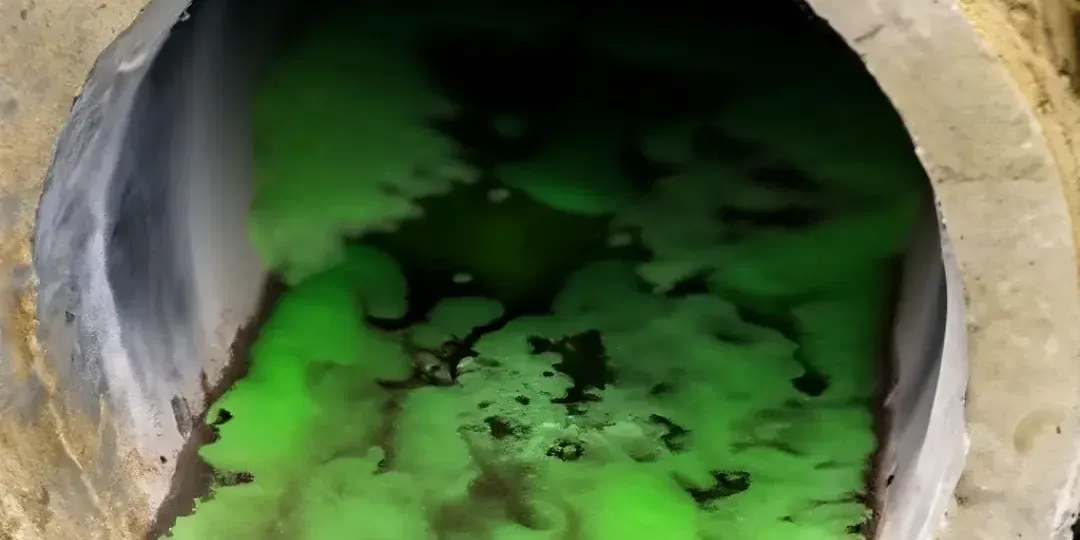
Yikes, right?
Biofilm grows in pipes – gross, right? That's what's in our bodies from water stagnation. All kinds of things grow there.
This is why chlorine dioxide cures malaria (look up Jim Humble on Yandex or Rumble – they've deleted him from Google). It makes sense. People in Africa drink horrible water.